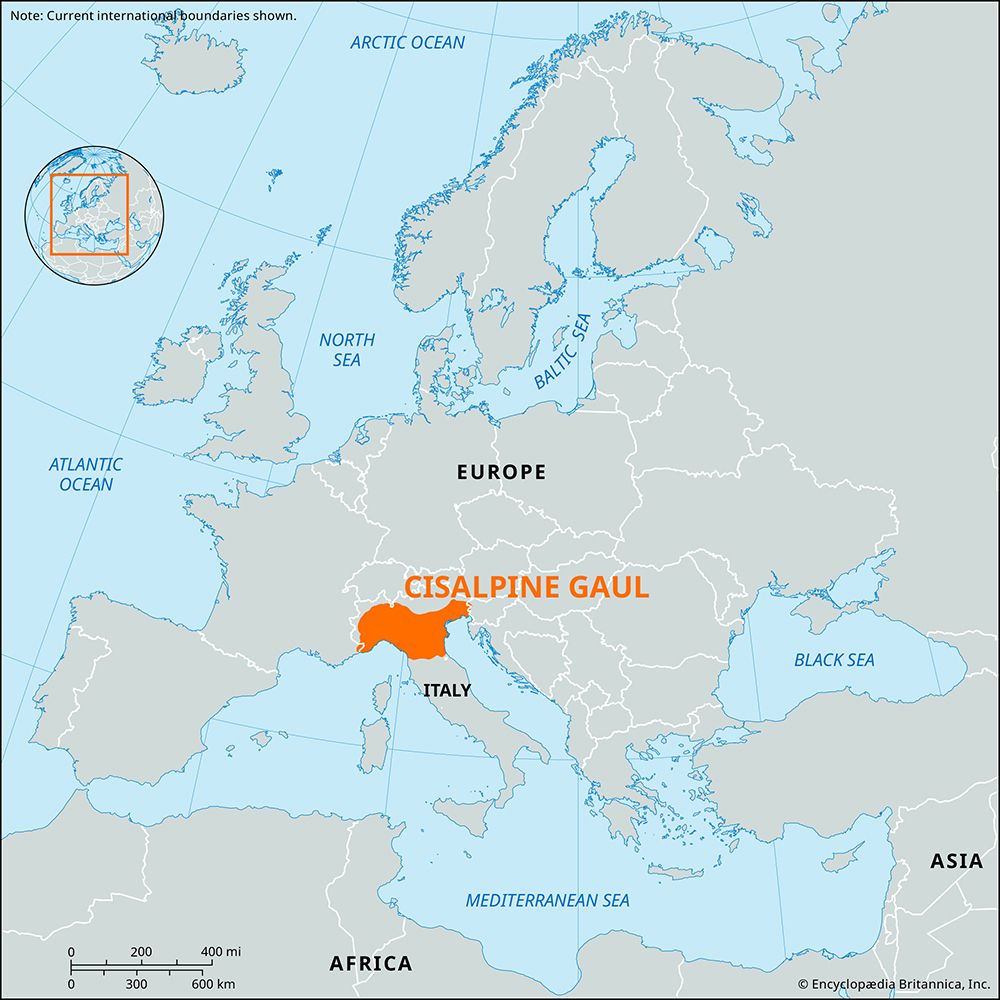
The Struggle for Cisalpine Gaul: Romans vs. Boi and Insubri
The annals of Roman expansion are replete with tales of conquest, strategic brilliance, and fierce resistance. Among these sagas, the push into Cisalpine Gaul stands out as a particularly protracted and vital conflict, shaping the very core of what would become Roman Italy. This wasn't merely a territorial grab; it was a desperate struggle for survival and dominance, fueled by Roman agrarian ambitions clashing head-on with the deeply rooted resolve of indigenous Celtic tribes like the Boi and Insubri. For those seeking to unravel the complex historical puzzle of this pivotal era, understanding the dynamics of this confrontation is key, much like solving a challenging historical
cruciverba.
The Allure of Gallia Cisalpina: A Land of Promise and Peril
Imagine a landscape blessed with an abundance that tantalized the hungry Roman Republic: the vast, flat plains of what we now know as Northern Italy, cradled by the Alps to the north and the Apennines to the south. This was
Gallia Cisalpina, or "Gaul this side of the Alps," a region whose fertility was legendary. Roman agrarians, ever keen to expand their holdings and feed a burgeoning population, cast envious eyes upon these productive, fecond lands. The soil, enriched by millennia of riverine deposits from the Po and its tributaries, was immensely fertile, capable of yielding bountiful harvests.
The prospect of such rich agricultural output was a powerful magnet. For Rome, controlling these fertile territories meant not only an assured food supply but also strategic depth, creating a buffer against potential invasions from across the Alps. The economic incentives were undeniable, propelling Roman policymakers and military strategists to orchestrate a systematic push into areas long held by Celtic inhabitants. This Roman expansion wasn't a sudden surge but a deliberate, calculated advancement into valleys and plains that promised agricultural wealth beyond measure. It was the promise of these "good lands," as the ancient sources might describe them, that set the stage for an epic confrontation.
The Indigenous Guardians: Boi and Insubri Resistance
Long before Roman legions marched north, the lush plains of Cisalpine Gaul were home to powerful and well-established Celtic tribes. Foremost among them were the Boi and the Insubri, who had for centuries cultivated the land, developed their own vibrant cultures, and fiercely guarded their ancestral territories. These tribes were not passive inhabitants awaiting subjugation; they were formidable warriors, deeply connected to their land and traditions, and renowned for their independent spirit.
The Boi, for instance, had migrated into the region from beyond the Alps centuries earlier, establishing a strong presence south of the Po River. The Insubri, centered around what would become Mediolanum (modern Milan), controlled significant territory further north. Both tribes possessed a martial tradition and a fierce pride that made them singularly resistant to foreign dominion. The Roman accounts often describe them as "among the most unwilling to submit to Rome," highlighting the tenacity of their opposition. Their resistance wasn't just pitched battles, though those were frequent and bloody; it was also a continuous struggle against Roman encroachment, a series of raids, ambushes, and strategic withdrawals designed to wear down the Roman advance. For a deeper dive into the challenges and strategies of Rome's conquest, consider reading
Rome's Conquest of Fertile Gallia Cisalpina: Lands, Tribes, and Colonies.
Roman Colonization as a Strategic Weapon: Placentia and Cremona
Faced with such tenacious indigenous resistance, Rome perfected a strategy that was as much about logistics and long-term control as it was about military might: the establishment of colonies. These weren't mere settlements; they were carefully planned outposts designed to project Roman power, culture, and economic influence deep into conquered territories. In Cisalpine Gaul, two names stand out as pivotal to this strategy:
Placentia and
Cremona.
Founded in 218 BC, just prior to the outbreak of the Second Punic War, these two colonies were strategically placed on opposite banks of the Po River. Their purpose was multi-faceted:
*
Military Hubs: They served as vital garrisons, ensuring Roman military presence deep within potentially hostile territory. From these fortified cities, Roman detachments could swiftly respond to any aggressions from indigenous populations against Roman landowners or settlers.
*
Economic Anchors: Placentia and Cremona facilitated the influx of Roman settlers, who then began to cultivate the fertile surrounding lands, integrating them into the Roman agricultural system. This systematic colonization transformed the landscape and its economic output.
*
Cultural Outposts: These colonies became centers of Romanization, spreading Latin language, Roman laws, and Roman customs among the local populations. They were miniature Romes, designed to assimilate conquered peoples over time.
The very act of founding Placentia and Cremona in tribal lands was a provocative declaration of Roman intent, igniting further hostilities. Yet, their strategic location proved invaluable, offering strongholds that were difficult to dislodge, even during times of crisis like Hannibal's invasion. For a more detailed look at the strategic importance of these two settlements, explore
Placentia & Cremona: Roman Strategy in Fertile Gallia Cisalpina.
The Cost of Conquest: A Legacy of Conflict
The Roman struggle for Cisalpine Gaul was not without its heavy price. Decades of intermittent warfare, including major campaigns against the Boi and Insubri in the early 2nd century BC, depleted manpower and resources. The indigenous tribes, though eventually subdued, left an indelible mark on Roman consciousness, cementing their reputation as fierce and unyielding adversaries. The ultimate Roman victory resulted in the systematic Romanization of the region, transforming it from a "Gaul beyond the Alps" into an integral part of Italy. New roads, towns, and agricultural estates replaced tribal settlements, and Latin gradually became the dominant language. However, echoes of the Celtic past persisted, shaping the unique cultural tapestry of Northern Italy.
Unraveling the Historical Puzzle: Beyond the Battlefields
Understanding the struggle for Gallia Cisalpina requires more than just knowing dates and names; it involves piecing together the motives, strategies, and consequences that shaped this critical period. For those fascinated by historical inquiries—whether for academic interest or perhaps to solve a particularly challenging historical
cruciverba—a holistic approach is invaluable.
Here are some practical tips for analyzing historical conflicts like the one in Cisalpine Gaul:
*
Identify Economic Drivers: Always look for the underlying economic motivations. In this case, the immense fertility of the land was a primary Roman driver.
*
Understand Indigenous Perspectives: Try to grasp the cultural values and reasons for resistance from the perspective of the conquered peoples. The Boi and Insubri fought not just for land, but for their way of life and identity.
*
Analyze Roman Strategy: Note how Rome adapted its tactics, moving beyond brute force to strategic colonization, road building, and cultural assimilation.
*
Examine Long-Term Impact: Consider how these historical events laid the groundwork for future developments, both for the victors and the vanquished.
The story of Cisalpine Gaul is a testament to Rome's relentless ambition and the indomitable spirit of those who resisted it. It's a vivid reminder that history is rarely black and white, but a complex interplay of forces that continues to fascinate and inform us today.
Conclusion
The struggle for Cisalpine Gaul represents a crucial chapter in the narrative of Roman expansion. Driven by the allure of fertile lands and the strategic imperative to secure its northern borders, Rome embarked on a protracted and often brutal conquest against the resilient Boi and Insubri tribes. The establishment of key colonies like Placentia and Cremona served as the bedrock of Roman control, transforming the region from a contested frontier into a vital Roman province. This conflict, marked by fierce battles and strategic ingenuity, ultimately paved the way for the full integration of northern Italy into the Roman world, leaving behind a legacy that continues to intrigue historians and puzzle enthusiasts alike.