Rome's Conquest of Fertile Gallia Cisalpina: A Pivotal Chapter in Empire Building
The annals of Roman expansion are replete with tales of strategic brilliance, military might, and the relentless pursuit of resources. Few territories encapsulated this drive more profoundly than
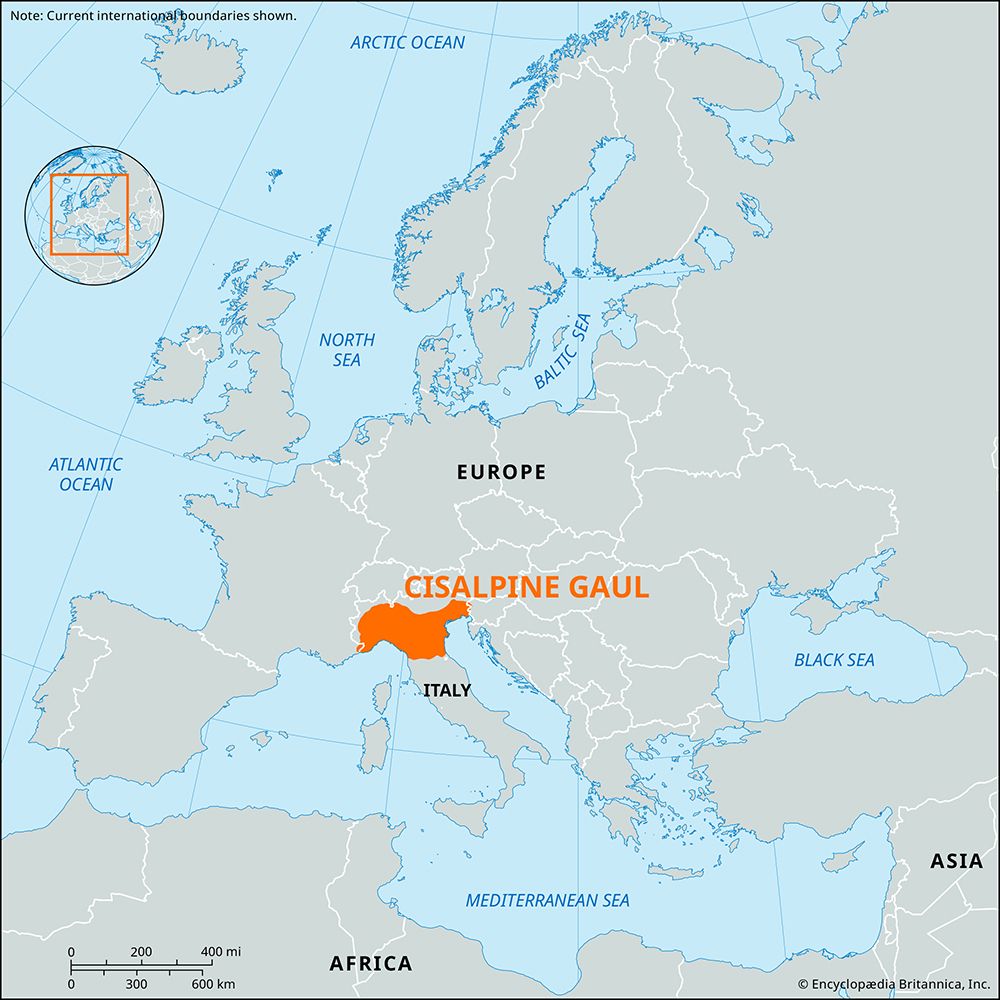
Gallia Cisalpina – the land "on this side of the Alps." This region, stretching across what is now northern Italy, was not merely a geographic expanse; it was a coveted prize, rich in agricultural potential and strategically vital for Rome’s burgeoning influence. The story of its conquest is one of intense struggle, tribal resistance, and the foundational role of Roman colonization, ultimately shaping the destiny of the Roman Republic and beyond.
The Irresistible Lure of Fertile Gallia Cisalpina
From Rome's perspective, the lands of
Gallia Cisalpina represented an unparalleled opportunity. Unlike the rugged Apennines or the marshy coastal plains, the vast Po Valley offered immense agricultural bounty. The term "fertili" – meaning productive, fecund, capable of yielding abundance – scarcely begins to describe the allure of this region. Roman landowners and burgeoning agricultural interests, ever seeking new territories to cultivate and expand their estates, cast their eyes longingly northward.
Why was this land so desirable?
- Unrivaled Productivity: The rich alluvial soils, deposited by the Po River and its tributaries, created an ideal environment for growing staples like grain, olives, and grapes. These lands were naturally "ubertosi," teeming with vegetation and promise.
- Economic Necessity: As Rome's population grew and its military expanded, the demand for food skyrocketed. Securing a reliable and bountiful food supply was not just an economic advantage but a strategic imperative.
- Strategic Depth: Control over the Po Valley provided a crucial buffer against potential invasions from transalpine Gaul and offered vital access routes towards the heart of Europe.
This push for fertile land was a driving force behind Roman expansion, fueling a consistent policy of conquest and colonization that irrevocably altered the geopolitical landscape of the Italian peninsula. The promise of these rich, productive lands became a primary motivation for Roman senators and military commanders alike, setting the stage for inevitable clashes with the indigenous Celtic tribes.
A Formidable Stand: The Boi and Insubri Tribes
The Roman advance into
Gallia Cisalpina was far from unopposed. The region was home to powerful and fiercely independent Celtic tribes, among them the Boi and the Insubri. These peoples were not strangers to warfare; they had established their own sophisticated societies and defended their ancestral lands with tenacity. The reference context highlights their fierce resistance, describing them as "among the most reluctant to be subjugated by Rome."
The Boi, a powerful Celtic tribe, controlled vast territories south of the Po River, extending into modern-day Emilia-Romagna. The Insubri, another dominant force, held sway over the areas north of the Po, including what is now Lombardy. Both tribes were renowned for their martial prowess and their deep connection to their lands. Their resistance was not merely a reaction to invasion; it was a defense of their cultural identity, their way of life, and their very existence against an encroaching, highly organized military machine.
The struggle for
Gallia Cisalpina was therefore a protracted and bloody affair. Roman legions encountered fierce opposition in the valleys and plains controlled by the Boi and Insubri. These tribes employed effective guerrilla tactics and engaged in pitched battles, often inflicting heavy casualties on the Roman forces. Their unwavering determination to resist subjugation forced Rome to commit substantial military resources and develop innovative strategies to secure control over the region. Understanding the depth of this struggle is crucial to appreciating the challenges Rome faced in securing this vital territory. To delve deeper into the specifics of these tribal conflicts, explore
The Struggle for Cisalpine Gaul: Romans vs. Boi and Insubri.
Pillars of Power: Placentia and Cremona as Roman Colonies
Faced with persistent resistance from the Boi and Insubri, Rome adopted a dual strategy: military conquest combined with strategic colonization. The founding of colonies played a crucial role in consolidating Roman control and projecting its power into the newly acquired territories of
Gallia Cisalpina. Two such colonies, Placentia (modern Piacenza) and Cremona, established in 218 BCE, stand out as prime examples of this policy.
These colonies were not mere settlements; they were military outposts, centers of Romanization, and beacons of Roman authority.
- Military Garrison: Placed at strategic points along the Po River, Placentia and Cremona served as permanent garrisons. Their primary purpose, as highlighted in the reference context, was to enable "Roman detachments to rush to the aid of landowners who had suffered aggression from the indigenous populations." This ensured the security of Roman settlers and their burgeoning agricultural enterprises.
- Agricultural Hubs: Beyond their military function, these colonies became centers of Roman agricultural activity, further developing the fertile lands and integrating them into Rome's economic system. Roman veterans and citizens were settled here, establishing farms and contributing to the region's productivity.
- Cultural Proliferation: Colonies were instrumental in spreading Roman culture, language (Latin), and governance. They acted as magnets for trade and administration, gradually transforming the local Celtic population through interaction and assimilation.
The establishment of Placentia and Cremona was a calculated move, designed to assert permanent Roman presence and to serve as a base for further expansion and consolidation. These cities became vital arteries for Roman influence, linking the heartland of Italy with its northern frontier. Their strategic location and dual military-economic role underscore the meticulous planning behind Rome's imperial ambitions. For a more detailed look at these foundational colonies, consider reading
Placentia & Cremona: Roman Strategy in Fertile Gallia Cisalpina.
Gallia Cisalpina: A Defining Chapter in Roman History and Beyond
The conquest and integration of
Gallia Cisalpina marked a profound transformation, not only for the region itself but for the Roman Republic. What began as a push for fertile land and strategic advantage evolved into a deep and lasting Romanization of the entire Po Valley. Over time, the distinctive Celtic identity of the Boi, Insubri, and other tribes gradually blended with or gave way to Roman culture. Latin became the lingua franca, Roman legal and administrative systems were implemented, and the region became an integral part of Italy.
The significance of
Gallia Cisalpina resonates through history for several reasons:
- Gateway to Empire: It served as a critical staging ground for Roman military campaigns into Transalpine Gaul (modern France) and beyond, notably under Julius Caesar.
- Economic Powerhouse: Its agricultural wealth contributed immensely to Rome's prosperity and ability to feed its growing population and armies.
- Cultural Bridge: It facilitated the exchange between Italic and Celtic cultures, eventually leading to a more unified Romanized identity across the peninsula.
- A Legacy in Learning: The term Gallia Cisalpina itself is a testament to Rome's geographical understanding and administrative organization. For those studying ancient history, or even engaging with intellectual pursuits such as historical *cruciverba* (crosswords), recognizing and understanding terms like Gallia Cisalpina is fundamental. Such historical designations encapsulate centuries of conflict, cultural exchange, and foundational empire-building.
Understanding this region's history provides invaluable insight into the methods and motivations behind Rome's expansion, showcasing its capacity for both military dominance and sophisticated long-term planning through colonization and assimilation. The lands once fiercely defended by Celtic tribes ultimately became a vital, prosperous heartland of Roman Italy, a legacy that continues to shape the region even today.
The conquest of fertile
Gallia Cisalpina stands as a testament to Rome's strategic foresight and relentless drive. From the initial allure of its productive lands to the fierce resistance of the Boi and Insubri, and the calculated establishment of colonies like Placentia and Cremona, every stage of this expansion was critical. It not only secured vital resources and strategic depth for the Roman Republic but also solidified its territorial control over the Italian peninsula, paving the way for its transformation into a formidable empire. The legacy of this conquest is etched into the landscape, the culture, and the historical records, offering a rich narrative that continues to fascinate scholars and history enthusiasts alike, reminding us of the enduring power of ancient place names and the stories they tell, even challenging us in a historical
cruciverba.